Technical services have become an essential component of modern businesses across industries. From IT support and maintenance to engineering and consulting, technical support provide the expertise and infrastructure that organizations need to operate efficiently and remain competitive. Understanding the dynamics of technical services is critical for companies looking to optimize performance, reduce downtime, and implement innovative solutions.
The adoption of technical services allows organizations to leverage specialized knowledge and technologies without the need to maintain extensive in-house capabilities. By outsourcing or partnering with technical service providers, businesses can focus on their core competencies while ensuring that complex technical tasks are managed efficiently. This approach is particularly valuable in sectors such as manufacturing, healthcare, energy, and information technology, where precision, reliability, and compliance are critical.
In addition to operational benefits, technical support play a key role in innovation and strategic development. Advanced technical support can improve productivity, enhance system integration, and facilitate the adoption of cutting-edge technologies. Businesses that invest in robust technical services are better positioned to respond to evolving market demands, improve customer satisfaction, and maintain a competitive edge.
The Evolution of Technical Services
Technical services have evolved significantly over the past few decades, moving from basic maintenance and support roles to highly specialized, strategic functions. Early technical support were often reactive, focusing on troubleshooting issues as they arose. Today, the focus has shifted toward proactive and predictive solutions, enabled by digital tools, automation, and data analytics.
Modern technical support encompass a wide range of activities, including IT infrastructure management, network administration, cybersecurity, engineering support, equipment maintenance, and process optimization. The integration of technology and specialized expertise allows technical service providers to anticipate problems, minimize operational risks, and optimize performance across multiple domains.
The rise of digital transformation has further accelerated the evolution of technical support. Cloud computing, artificial intelligence, and Internet of Things (IoT) technologies have expanded the scope of technical services, enabling organizations to implement more complex, efficient, and scalable solutions. As a result, technical services have become not only a support function but also a driver of strategic growth and innovation.
Key Components of Technical Services
Technical services are multifaceted, involving a range of specialized functions that support organizational efficiency and innovation. Understanding these components is essential for businesses seeking to optimize technical support and enhance operational outcomes.
IT and Network Support
IT support is a critical component of technical support, ensuring that an organization’s hardware, software, and networks operate efficiently. Technical service providers offer services such as system maintenance, troubleshooting, network monitoring, and cybersecurity management. By maintaining reliable IT infrastructure, businesses can minimize downtime, protect sensitive data, and ensure seamless communication and collaboration.
Engineering and Technical Consulting
Engineering support and technical consulting are vital for industries that require specialized expertise in design, process optimization, and equipment management. Technical service providers offer solutions ranging from system design and installation to performance analysis and maintenance planning. These services help organizations implement best practices, reduce errors, and optimize production processes.
Equipment Maintenance and Repair
Regular maintenance and timely repair of equipment are essential for operational efficiency. Technical support provide preventive and corrective maintenance, ensuring that machinery, tools, and devices function properly and safely. This proactive approach reduces downtime, extends the life of assets, and minimizes costly disruptions in operations.
Cybersecurity and Data Protection
With increasing reliance on digital systems, cybersecurity has become a crucial aspect of technical support. Technical service providers offer services such as vulnerability assessments, threat monitoring, and data encryption to protect organizational systems from cyberattacks. Strong cybersecurity measures safeguard critical information and maintain business continuity.
Software Development and Integration
Technical support often include software development, customization, and integration. Organizations require specialized software solutions to manage operations, streamline workflows, and analyze data effectively. Technical service providers develop and maintain these systems, ensuring compatibility with existing infrastructure and scalability for future growth.
Challenges in Delivering Technical Services
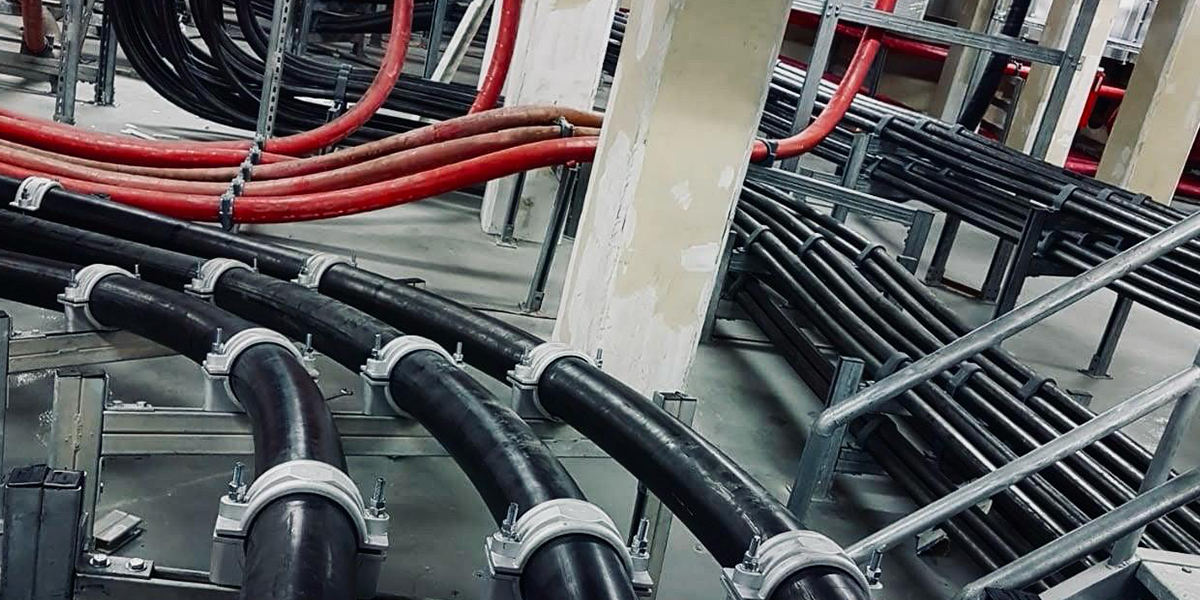
Despite the benefits of technical services, organizations face several challenges that impact effectiveness and efficiency. Addressing these challenges requires strategic planning, investment in skilled personnel, and adoption of advanced technologies.
Rapid Technological Change
One of the primary challenges in technical support is keeping pace with rapid technological advancements. Emerging technologies such as AI, machine learning, and cloud computing require continuous learning and adaptation. Technical service providers must invest in training, research, and innovation to remain relevant and effective.
Skilled Workforce Shortages
Delivering high-quality technical services demands specialized skills and expertise. Many organizations struggle to find and retain qualified personnel, particularly in areas such as cybersecurity, network management, and advanced engineering. Workforce development and training programs are essential to bridge skill gaps and maintain service quality.
Cost Management
Providing technical support can be resource-intensive, involving investments in technology, personnel, and infrastructure. Balancing cost efficiency with service quality is a key challenge for organizations and service providers alike. Strategic planning, resource optimization, and outsourcing can help manage costs while maintaining high service standards.
Integration with Existing Systems
Implementing technical services requires seamless integration with existing systems and processes. Compatibility issues, data synchronization challenges, and process redesign are common hurdles. Proper planning, testing, and phased implementation strategies can reduce disruption and enhance system efficiency.
Trade-Offs in Technical Service Management
Managing technical services involves balancing trade-offs between cost, quality, speed, and innovation. For example, outsourcing technical support can reduce costs but may limit control over quality and responsiveness. Conversely, in-house technical teams offer greater control but require significant investment in personnel and technology.
Organizations must assess their specific needs, operational priorities, and strategic goals when making decisions about technical services. Evaluating trade-offs and implementing hybrid approaches, such as combining in-house expertise with outsourced support, can optimize outcomes and enhance organizational efficiency.
The Role of Technical Services in Innovation
Technical support are not merely supportive; they play a critical role in driving innovation across industries. By providing specialized expertise, technical service providers enable organizations to adopt new technologies, streamline workflows, and improve product development processes.
For instance, technical services in software development, data analytics, and automation allow businesses to implement predictive maintenance, optimize supply chains, and enhance customer experiences. In manufacturing, technical support contribute to process innovation, equipment optimization, and quality improvement.
Investing in advanced technical services can also help organizations stay ahead of competitors, improve operational agility, and respond quickly to emerging market opportunities. By integrating technical expertise with strategic planning, businesses can foster innovation and long-term growth.
Impact of Technical Services on Operational Efficiency
Technical services have a direct impact on operational efficiency by reducing downtime, optimizing processes, and improving reliability. Preventive maintenance, system monitoring, and technical support ensure that operations run smoothly and disruptions are minimized.
Moreover, technical services facilitate data-driven decision-making by providing insights into system performance, workflow efficiency, and resource utilization. These insights enable organizations to identify bottlenecks, optimize processes, and allocate resources more effectively.
By enhancing operational efficiency, technical support contribute to cost savings, increased productivity, and improved customer satisfaction. Organizations that prioritize technical service management can achieve a competitive advantage and maintain long-term sustainability.
Future Trends in Technical Services
The landscape of technical services is rapidly evolving, driven by technological innovation, digital transformation, and changing business needs. Several trends are shaping the future of technical support:
Automation and Artificial Intelligence
Automation and AI are revolutionizing technical support by enabling predictive maintenance, automated troubleshooting, and intelligent system monitoring. These technologies improve efficiency, reduce human error, and enhance service quality.
Cloud-Based Technical Services
Cloud computing allows technical services to be delivered remotely, providing scalability, flexibility, and cost savings. Cloud-based services enable organizations to access expertise, tools, and data without extensive in-house infrastructure.
Cybersecurity and Risk Management
As digital systems become more complex, cybersecurity services will play an increasingly critical role. Technical service providers will focus on proactive threat detection, vulnerability management, and comprehensive risk mitigation strategies.
Integration of IoT and Smart Technologies
IoT devices and smart technologies provide real-time monitoring, automation, and analytics capabilities. Technical services that leverage these tools can optimize performance, improve resource utilization, and enable predictive decision-making.
Sustainable and Green Technical Services
There is a growing emphasis on sustainability in technical service delivery. Implementing energy-efficient systems, reducing electronic waste, and adopting environmentally friendly practices are becoming priorities for modern technical service providers.
Conclusion: The Strategic Value of Technical Services
Technical support are essential for modern organizations seeking operational efficiency, innovation, and competitive advantage. By providing expertise in IT, engineering, maintenance, cybersecurity, and software integration, technical support enable businesses to optimize performance, reduce risks, and respond effectively to market demands.
Investing in technical support involves careful consideration of trade-offs, workforce capabilities, technology integration, and cost management. Organizations that successfully balance these factors can achieve long-term efficiency, innovation, and sustainability.
The future of technical support lies in leveraging automation, AI, cloud computing, IoT, and sustainable practices to deliver more intelligent, responsive, and eco-friendly solutions. As businesses continue to adopt advanced technologies, technical support will remain a cornerstone of operational success and strategic growth, ensuring that organizations thrive in an increasingly competitive and technology-driven world.