Renewable energy has become one of the most important topics in global energy policy and environmental sustainability. As the world faces the dual challenges of climate change and depleting fossil fuel resources, renewable energy provides a clean, sustainable, and increasingly cost-effective solution. From solar and wind power to hydropower and bioenergy, Clean energy technologies are transforming the way energy is produced and consumed.
The adoption of clean energy is not just an environmental necessity; it is also an economic opportunity. Advances in technology and declining costs have made clean energy sources more competitive with traditional fossil fuels. Governments, businesses, and communities are investing heavily in renewable energy projects to reduce carbon emissions, ensure energy security, and stimulate economic growth.
In addition to environmental and economic benefits, clean energy offers social advantages, including job creation, energy access, and improved public health. By reducing air pollution and promoting clean energy solutions, renewable energy contributes to a sustainable and resilient future. Understanding the key factors that influence renewable energy deployment is critical for policymakers, businesses, and consumers alike.
The Evolution of Renewable Energy
Renewable energy technologies have evolved significantly over the past few decades. Early forms of clean energy, such as hydropower and traditional biomass, have been used for centuries. However, modern renewable energy encompasses a diverse range of technologies, including solar photovoltaic systems, wind turbines, geothermal energy, and advanced biofuels.
The global push for renewable energy has been accelerated by international climate agreements and national policies that aim to reduce greenhouse gas emissions. Technological innovation, falling production costs, and improved energy storage solutions have further propelled the adoption of clean energy. Today, countries around the world are expanding their renewable energy capacity at unprecedented rates, signaling a transition toward a cleaner energy future.
Furthermore, clean energy is increasingly integrated into smart grid systems and digital energy management platforms. These advancements enable better monitoring, efficient distribution, and improved reliability, allowing clean energy to play a central role in modern energy systems.
Key Components of Renewable Energy
The effectiveness of renewable energy systems depends on several critical components. Understanding these elements is essential for optimizing energy generation, improving efficiency, and ensuring sustainability.
Solar Energy
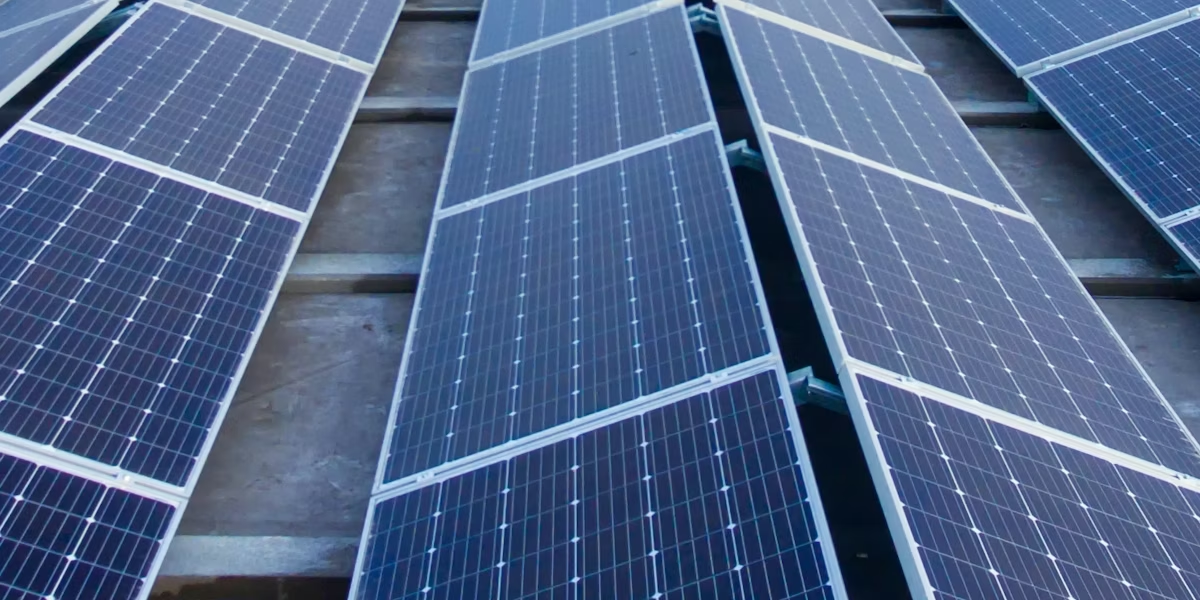
Solar energy harnesses the power of sunlight to generate electricity through photovoltaic panels or concentrated solar power systems. It is one of the fastest-growing clean energy sources due to its scalability, declining costs, and suitability for residential, commercial, and utility-scale applications. Solar energy systems offer significant flexibility, allowing integration into buildings, solar farms, and off-grid installations.
Wind Energy
Wind energy converts kinetic energy from wind into electricity using turbines. Wind power is a proven, cost-effective, and widely adopted clean energy source. Advances in turbine design, offshore wind technology, and predictive analytics have increased efficiency and reliability, making wind energy a key contributor to global clean energy capacity.
Hydropower
Hydropower generates electricity by using the flow of water through turbines. As one of the oldest clean energy sources, hydropower provides reliable, large-scale energy generation. Modern hydropower systems incorporate advanced control mechanisms to optimize output while minimizing environmental impacts. Small-scale hydropower projects also offer solutions for remote communities and off-grid areas.
Biomass and Bioenergy
Biomass energy is derived from organic materials such as agricultural waste, wood, and dedicated energy crops. Biomass can be converted into electricity, heat, or biofuels for transportation. While biomass offers carbon-neutral energy potential, sustainable sourcing and efficient conversion technologies are essential to maximize environmental benefits.
Geothermal Energy
Geothermal energy utilizes heat from the Earth’s core to generate electricity and provide heating solutions. Geothermal power plants offer a reliable and continuous energy supply, making them a valuable complement to intermittent sources like solar and wind. Advances in enhanced geothermal systems are expanding the potential for geothermal energy deployment worldwide.
Challenges in Renewable Energy Adoption
Despite the benefits of clean energy, several challenges must be addressed to ensure its widespread adoption. Policymakers, businesses, and engineers face trade-offs when designing, implementing, and scaling clean energy projects.
Intermittency and Reliability
One of the main challenges of renewable energy, particularly solar and wind, is intermittency. Energy generation depends on weather conditions, time of day, and seasonal variations. Energy storage systems, grid integration, and hybrid solutions are critical to maintaining reliability and stability in clean energy networks.
High Initial Costs
Although clean energy costs have declined dramatically, initial capital investment for infrastructure such as solar panels, wind turbines, and hydropower facilities can be significant. Access to financing, government incentives, and innovative funding mechanisms play a crucial role in overcoming this barrier.
Land Use and Environmental Concerns
Renewable energy projects, especially large-scale solar farms, wind farms, and hydropower dams, can impact land use, ecosystems, and local communities. Careful site selection, environmental impact assessments, and sustainable practices are essential to minimize negative effects while maximizing energy production.
Technological Integration
Integrating clean energy into existing energy systems requires advanced technology and careful planning. Smart grids, energy storage, and digital monitoring systems are necessary to manage fluctuating power supply, optimize resource allocation, and maintain grid stability.
Balancing Trade-Offs in Renewable Energy Planning
Renewable energy projects involve complex decision-making that requires balancing economic, environmental, and social factors. For example, solar and wind projects offer low emissions and scalability but may require significant land and storage infrastructure. Hydropower provides reliable energy but can disrupt river ecosystems and local communities.
Policymakers and energy planners must weigh these trade-offs to achieve sustainable outcomes. Multi-criteria decision analysis, life-cycle assessments, and stakeholder engagement are essential tools for making informed choices. Considering long-term environmental and social impacts alongside economic feasibility ensures clean energy projects deliver maximum benefits.
The Role of Policy and Regulation in Renewable Energy
Government policies and regulations play a critical role in driving clean energy adoption. Incentives such as tax credits, feed-in tariffs, and clean energy certificates can stimulate investment and accelerate technology deployment.
Energy policies also influence market dynamics, research and development funding, and public-private partnerships. Clear regulatory frameworks provide confidence to investors, encourage innovation, and create opportunities for large-scale renewable energy integration.
International agreements, such as the Paris Climate Accord, further reinforce the importance of renewable energy by setting targets for reducing carbon emissions. Governments that actively support clean energy initiatives contribute to global sustainability and energy security while fostering economic growth.
Future Trends in Renewable Energy
The renewable energy sector is expected to continue growing rapidly, driven by technological innovation, policy support, and global sustainability goals. Several trends are shaping the future of renewable energy.
Energy Storage Solutions
Advanced energy storage technologies, such as lithium-ion batteries, flow batteries, and pumped hydro storage, are enhancing the reliability of clean energy. Effective storage solutions allow excess energy to be saved and used during periods of low generation, mitigating intermittency issues.
Digitalization and Smart Grids
The integration of digital technologies, artificial intelligence, and IoT devices into energy systems is enabling smarter energy management. Smart grids optimize energy distribution, improve efficiency, and allow consumers to actively participate in energy generation and consumption.
Hybrid Renewable Systems
Combining multiple renewable energy sources, such as solar-wind hybrids or solar-geothermal systems, can enhance efficiency and reduce reliance on any single source. Hybrid systems provide more stable energy output and improve overall system resilience.
Green Hydrogen
Green hydrogen, produced using renewable energy sources, offers a promising solution for decarbonizing sectors like heavy industry and transportation. Hydrogen can be stored, transported, and converted back into energy, complementing traditional renewable energy sources.
Conclusion: Embracing Renewable Energy for a Sustainable Future
Renewable energy is transforming the global energy landscape, offering cleaner, sustainable, and increasingly cost-effective solutions for power generation. By understanding the key components, challenges, and trade-offs associated with clean energy, stakeholders can make informed decisions that align with economic, environmental, and social goals.
The adoption of renewable energy reduces greenhouse gas emissions, enhances energy security, and stimulates innovation in energy technology. Policymakers, businesses, and communities that embrace renewable energy can achieve long-term sustainability, create new economic opportunities, and contribute to global climate objectives.
As renewable energy continues to evolve, investments in advanced technologies, energy storage, and smart grid integration will be critical for maximizing its potential. The future of energy lies in renewable solutions that balance efficiency, environmental responsibility, and social benefits, ensuring a sustainable and resilient world for generations to come.