This in‑depth article explores Electrical Solutions in Turkey, analyzing the key factors that impact the sector, current trends, challenges, and opportunities. It provides valuable insights into how businesses and consumers can navigate electrical markets, adopt efficient solutions, and understand the dynamics shaping this vital industry.
In today’s rapidly evolving global economy, Electrical Solutions in Turkey play a crucial role in driving industrial growth, enhancing energy efficiency, and enabling sustainable development. From residential infrastructure to large‑scale industrial applications, knowing how electrical systems are implemented, optimized, and regulated can make a significant difference for businesses and individuals alike. This article will offer a comprehensive analysis of the dynamics influencing Electrical Solutions in Turkey, shedding light on critical trends, tradeoffs, and strategic considerations that impact decision‑making in this sector.
As the Turkish economy grows and diversifies, demand for advanced electrical systems continues to expand. Whether one is focused on electrical design, renewable integration, or regulatory compliance, understanding the landscape of Electrical Solutions in Turkey is essential. This article will examine technical, economic, and policy‑driven factors that shape the industry’s development. By providing objective, informative insights, it is designed to be accessible for professionals, stakeholders, and general readers interested in Turkey’s electrical market.
The significance of Electrical Solutions in Turkey cannot be overstated. Turkey’s strategic location between Europe and Asia makes it a hub for infrastructure investments and development projects. Electrical systems power homes, factories, transportation networks, and communication systems, making them indispensable to modern life. In this guide, we will explore key components such as infrastructure trends, supply chain challenges, sustainability initiatives, and future prospects for the electrical sector in Turkey.
Understanding the Landscape of Electrical Solutions in Turkey
Turkey’s electrical market encompasses a wide range of services and technologies designed to meet the growing energy and power needs of its population. From grid infrastructure and energy distribution to automation systems and smart technologies, the breadth of solutions reflects the diversity of demand. As industries adopt more sophisticated electrical systems, innovation has become a defining feature of the market.
One of the foundational factors in Electrical Solutions in Turkey is its national grid infrastructure. Turkey’s electrical grid has undergone modernization efforts to enhance reliability and reduce outages. Investments in grid upgrades, digital monitoring systems, and automated control mechanisms are transforming how electricity is delivered and managed. Advanced metering infrastructure (AMI), for example, enables real‑time tracking of consumption, improving efficiency and planning.
In addition to grid enhancements, the demand for tailored electrical solutions in commercial and industrial sectors has surged. Many manufacturers and businesses seek energy‑efficient systems that not only reduce costs but also align with environmental regulations. As such, energy management systems (EMS), variable frequency drives (VFDs), and power quality solutions are increasingly integrated into operations.
Key Factors Impacting Electrical Solutions in Turkey
When evaluating Electrical Solutions in Turkey, several factors influence how solutions are procured, implemented, and maintained. These include energy policy, technological innovation, economic conditions, and environmental priorities.
Regulatory Framework and Energy Policy
Government policy plays a pivotal role in determining how electrical solutions are developed and deployed. Turkey’s energy strategy emphasizes diversification of energy sources, integration of renewables, and enhancement of domestic energy production. This influences the types of electrical systems that are prioritized and the incentives available for investment.
Policies aimed at increasing the share of renewables have accelerated demand for grid integration technologies capable of managing intermittent generation from solar and wind. This creates opportunities for electrical engineers and solution providers to offer specialized services that support stability and efficiency.
Moreover, compliance with safety and regulatory standards is mandatory for any electrical installation. Standards set by bodies such as the Turkish Standards Institute (TSE) ensure that products and solutions meet quality and safety criteria. Navigating these regulatory landscapes affects cost structures and timelines for electrical projects.
Technological Advancements and Innovation
Technological progress is another factor shaping Electrical Solutions in Turkey. Digitalization, automation, and IoT (Internet of Things) integration are transforming how electrical systems operate. Smart electrical solutions offer enhanced monitoring, predictive maintenance, and remote control capabilities that improve system performance.
For example, smart grids equipped with sensors and automated controls can balance load distribution and reduce energy losses. These technologies require advanced software, secure networks, and skilled personnel to implement.
However, rapid technological change also introduces tradeoffs. While newer systems can yield operational efficiencies, they often come with higher initial costs and greater complexity. Evaluating the long‑term benefits against upfront investments is a key consideration for organizations seeking modern electrical solutions.
Economic Conditions and Cost Dynamics
Economic conditions are another critical factor influencing the adoption of electrical solutions. Costs associated with equipment, installation, and maintenance are affected by broader economic trends, including currency fluctuations, inflation, and global supply chain disruptions.
Turkey’s economy has experienced periods of volatility that impact procurement decisions. Electrical solution providers may face challenges in sourcing components at stable prices, which in turn affects project budgets. This necessitates careful financial planning and risk management to ensure projects remain viable and cost‑effective.
Balancing cost considerations with technological performance is a core challenge for stakeholders. Decision‑makers must assess whether to invest in cutting‑edge equipment or adopt proven, cost‑effective alternatives that deliver reliable performance.
Sustainability and Environmental Considerations
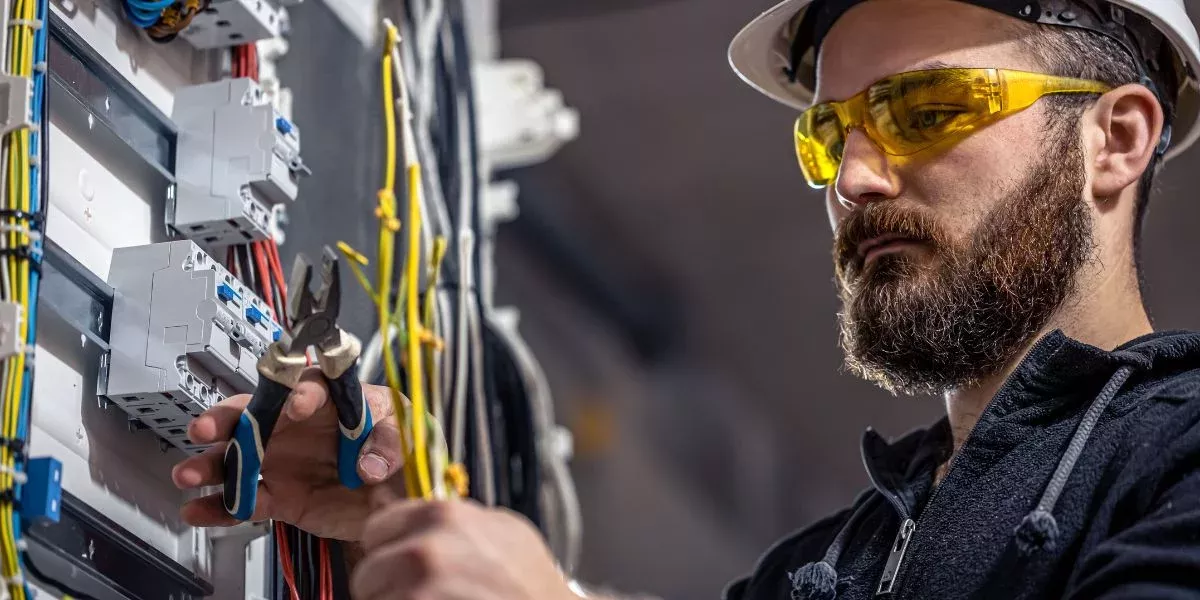
Sustainability concerns significantly influence the electrical solutions market in Turkey. With growing awareness of environmental impacts, there is increasing demand for energy‑efficient technologies and renewable energy integration. Policies promoting cleaner energy sources are encouraging businesses to adopt electrical solutions that reduce carbon footprints.
Energy efficiency initiatives, such as LED lighting retrofits, high‑efficiency motors, and building automation systems, help reduce consumption while lowering operational expenses. Renewable energy projects, particularly solar and wind, require electrical solutions capable of integrating variable power into existing grid infrastructure.
However, implementing sustainable solutions also involves tradeoffs. Clean technologies may have higher upfront costs, and integrating renewables into legacy systems can pose technical challenges. Understanding how to balance environmental benefits with financial feasibility is crucial for organizations pursuing sustainable electrical strategies.
Tradeoffs in Balancing Electrical Solutions Across Industries
Different industries have unique requirements for electrical solutions, leading to tradeoffs that organizations must consider. For example, manufacturing facilities may prioritize reliability and uptime, while commercial buildings may focus on energy efficiency and cost savings.
In manufacturing, electrical systems must support high‑capacity machinery, automation lines, and safety protocols. Downtime can result in significant financial losses, making robust electrical architectures essential. This often leads companies to invest in redundant systems, real‑time monitoring, and advanced protective devices—even if the costs are high.
Conversely, commercial enterprises such as offices, hotels, and retail spaces may emphasize energy management solutions that optimize lighting, HVAC systems, and power usage to reduce operational expenses. While these systems offer long‑term savings, they initially require investment in sensors, controls, and intelligent software.
Tradeoffs are especially apparent when businesses weigh performance against cost. For instance, implementing a full suite of smart electrical solutions can elevate efficiency but may divert funds from other strategic initiatives. Evaluating long‑term return on investment (ROI) and aligning electrical improvements with business goals are essential components of sound decision‑making.
Challenges Facing Electrical Solutions in Turkey
While the outlook for electrical solutions in Turkey remains promising, there are notable challenges that stakeholders must navigate. These include workforce skill gaps, infrastructure constraints, and market competition.
Workforce and Skill Development
The rapid evolution of electrical technologies has created a demand for skilled technicians and engineers capable of designing, installing, and maintaining advanced systems. However, like many markets globally, there is a shortage of professionals with expertise in emerging electrical domains such as smart grid technology and renewable integration.
Addressing this skill gap requires investment in education and professional training. Technical universities, vocational programs, and industry certifications play an important role in developing the next generation of electrical professionals. Companies that invest in training and upskilling their workforce are better positioned to leverage advanced solutions.
Infrastructure Limitations
While modernizing electrical infrastructure is a priority in Turkey, legacy systems in certain regions present obstacles. Older installations may lack compatibility with smart technologies, making upgrades more complex and costly. Retrofitting existing structures demands careful planning and coordination to minimize disruptions.
In some rural areas, access to reliable electrical infrastructure remains inconsistent, affecting both residential and commercial customers. Addressing these disparities requires coordinated efforts between government authorities, utility providers, and private sector partners.
Market Competition and Global Influences
The market for electrical solutions in Turkey is competitive, with both domestic and international players vying for contracts and market share. Global trends, such as supply chain disruptions or changing trade policies, can influence the availability of components and pricing competitiveness.
Foreign investment and technological partnerships present opportunities for growth but also introduce complexity in navigating international standards, import regulations, and cross‑border coordination.
Emerging Trends Shaping Electrical Solutions in Turkey
Looking ahead, several trends are poised to shape the future of Electrical Solutions in Turkey. Understanding these developments is key for organizations seeking to stay ahead in the market.
Rise of Renewable Energy Integration
Turkey has significant potential for solar and wind energy generation. As renewable capacity increases, electrical solutions that support grid integration, storage, and flexible distribution will become more prominent. Battery energy storage systems (BESS), microgrids, and hybrid installations are gaining attention for their ability to improve resilience and reliability.
These solutions help balance variable renewable output with demand, reducing strain on traditional generation assets and enabling a cleaner energy mix.
Digitalization and Smart Technologies
Digital transformation continues to influence electrical systems across industries. Smart buildings equipped with sensors and automated controls can optimize energy usage while improving occupant comfort. Similarly, industrial facilities leverage real‑time data to monitor performance, predict maintenance needs, and reduce downtime.
Internet of Things (IoT) devices, machine learning algorithms, and cloud‑based management platforms are enabling more responsive and efficient electrical systems than ever before.
Energy Efficiency as a Core Priority
Energy efficiency remains a cornerstone of modern electrical strategy. Businesses and consumers alike are embracing solutions that reduce waste, lower costs, and align with environmental goals. From LED retrofits to high‑efficiency motors and advanced power factor correction, electrical solutions focused on efficiency deliver measurable benefits.
Conclusion: Strategic Considerations for Electrical Solutions in Turkey
In conclusion, Electrical Solutions in Turkey encompass a complex, dynamic ecosystem influenced by regulatory policy, technological evolution, economic conditions, and sustainability priorities. Understanding these factors—and the tradeoffs they entail—is essential for making informed decisions that balance performance, cost, and long‑term impact.
Turkey’s electrical market offers significant opportunities for innovation, particularly in renewable integration and smart technologies. At the same time, challenges such as workforce development, legacy infrastructure, and cost dynamics require thoughtful planning and strategic investment.
For businesses, investors, and stakeholders operating in this space, adopting a holistic approach that weighs technical performance with financial feasibility and regulatory compliance is key. As the industry continues to evolve, staying informed about emerging trends and best practices will empower decision‑makers to navigate complexity and capitalize on growth opportunities.
By recognizing the importance of efficient, resilient, and sustainable electrical solutions, Turkey can continue advancing its infrastructure, supporting economic growth, and contributing to a global shift toward cleaner, smarter energy systems.